Basement Mold Removal in Marsing, ID
Mold removed from walls, joists and flooring in your Marsing basement, with damaged materials cleared under containment. Call 24/7 to start your assessment and cleanup.
- Moisture source checked first
- Containment and HEPA filtration
- Clear removal and drying scope
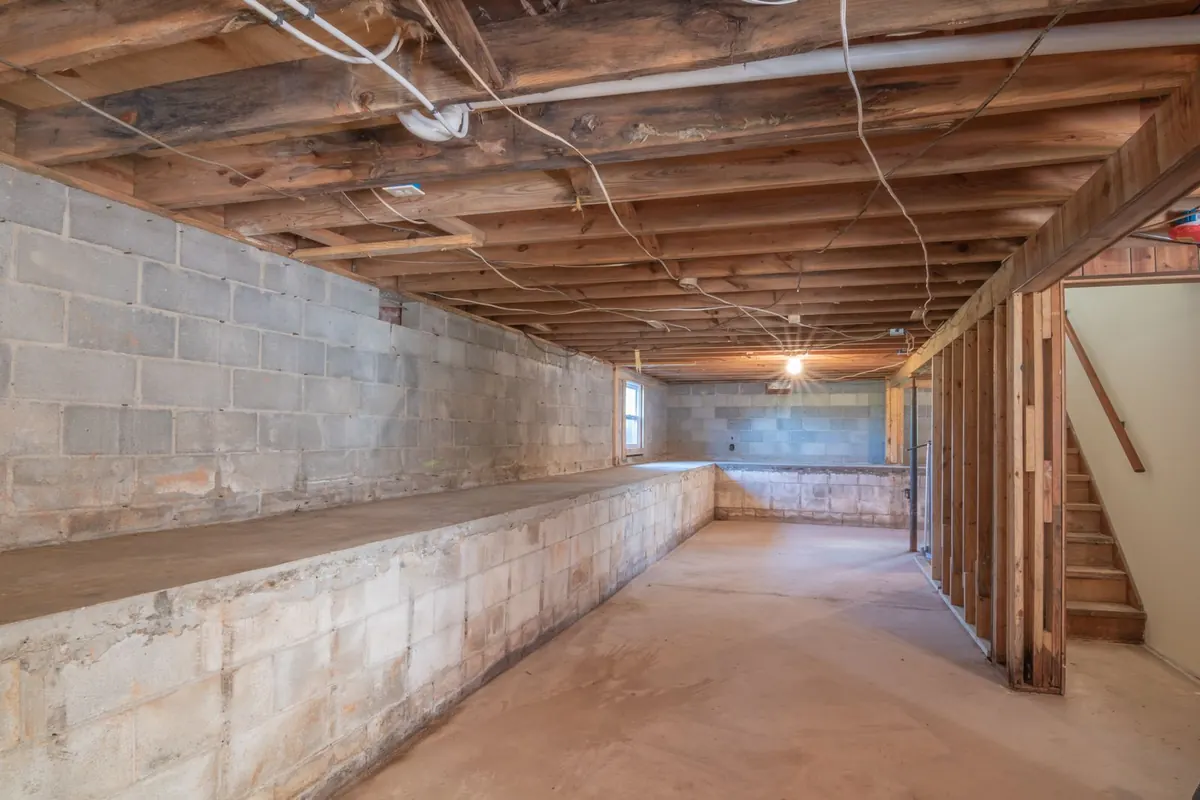
Basement Mold Removal Services for Your Marsing Property
Basement mold removal covers joists and foundation walls as well as your flooring and finished wall cavities. Sound framing is cleaned and dried, as is sound masonry; damaged materials come out.
A finished basement may need drywall removal to reach hidden moisture. Unfinished rooms expose wood, concrete and cinder block from the foundation wall to the basement ceiling.
Your written work scope sets out cleanup alongside repairs listed separately. The assessment traces condensation, water seepage and leaks, checking the sump pit, floor drain and sump pump when relevant.
- Foundation wall and joist cleaning
- Finished wall cavity assessment
- Removing your moldy basement carpet and pad
- Stored belongings assessed for cleaning
- Contained removal, drying and verification
Basement Mold Removal Warning Signs
Your damp finishes, returning mold or lingering odor warrant assessment.
Patches on Basement Ceiling Joists
Patches along joists can accompany leaks or condensation.
Softening Drywall in Your Finished Basement
Hidden damage may show as soft wallboard, peeling paint or swollen trim.
Musty Smell After Basement Flooding
Following receding water, you may notice odor near stored belongings alongside damp materials.
Growth Returns on Basement Walls
Visible mold growth returns along wall bases after cleaning.
Damp Basement Carpet Edges
Moisture in wet carpet and padding may extend past the stains you see.
What Basement Mold Removal Involves
Your cleanup begins with assessment, then uses containment during cleaning before drying and final checks.
Call and Basement Assessment
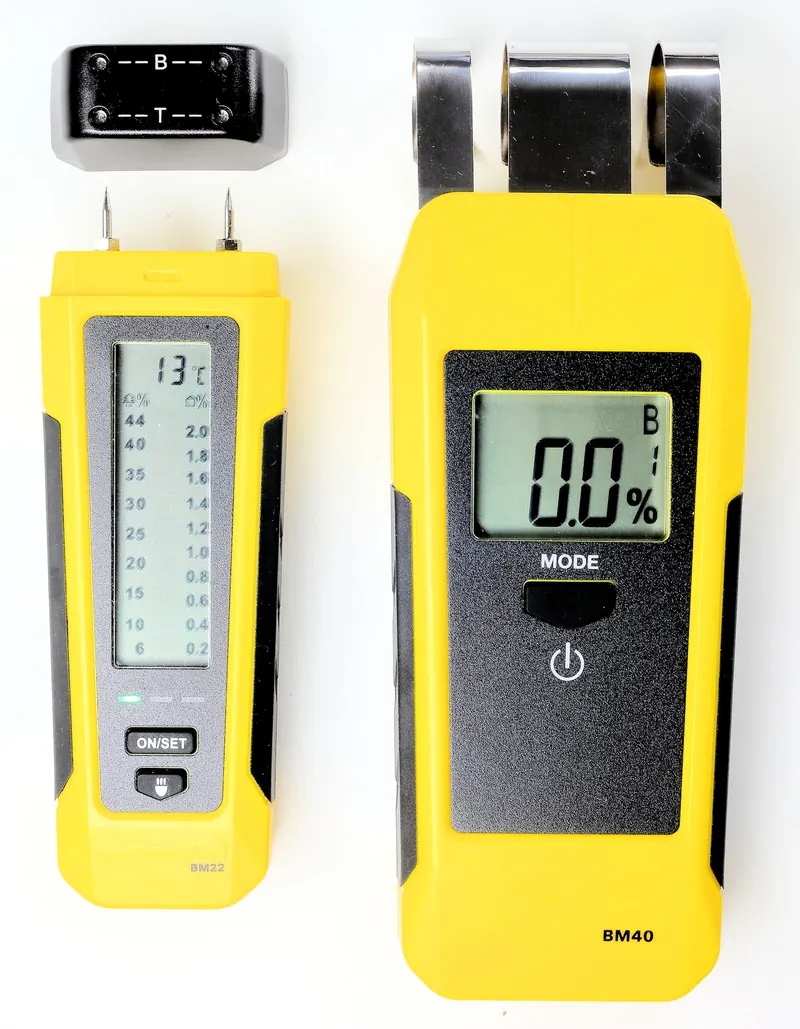
Mapping damp basement materials uses a moisture meter. A thermal imaging camera shows changes in temperature, without identifying mold.
Moisture Source and Scope
Seepage routes are examined alongside plumbing. Your scope defines removal, drying and necessary leak repair, drainage or basement humidity corrections.
Basement Containment
Poly sheeting surrounds the work area to create your containment barrier. Protective equipment, negative air pressure and a HEPA air scrubber limit particle spread.
Damaged Material Removal
Inside containment, bags hold moldy carpet pad, drywall and contents that cannot be salvaged. The removal path for debris remains protected.
Framing and Masonry Cleaning
A HEPA vacuum removes growth alongside surface cleaning of sound joists and basement walls. Antimicrobial treatment does not replace cleaning.
Controlled Basement Drying
After cleaning, drying is supported by air movers and a dehumidifier. Moisture readings track progress as the water source is corrected.
Post-Remediation Verification
Checks confirm cleaning and drying before the replacement of materials. When specified, clearance testing by an independent assessor precedes taking down containment.
Containment Removal and Repair Handoff
Final checks precede taking containment down. Your basement gets ready for the agreed finish repairs; separate rebuilding tasks are identified.
Your Basement Mold Removal Choice: Why Boise Mold Cleanup
Removal Through Final Checks
Removal of damaged finishes and cleaning and drying of sound surfaces lead to final checks before containment removal.
Basement Moisture First
Your seepage, condensation and leaks undergo assessment ahead of cleanup.
Calls Answered 24/7
You can begin your basement cleanup by calling one number, day or night, throughout the metro.
Contained Basement Work
Containment and HEPA filtration limit particle spread toward stairs and occupied rooms.
Clear Scope Before Work
Your scope defines affected rooms and materials, with separate moisture repairs and rebuilding identified.
Preparing for Basement Cleanup in Owyhee County
Keep affected materials untouched while you arrange an assessment by phone.
- Avoid standing water. Stay away from wet electrical equipment and flooded basement stairs.
- Leave finishes in place. Keep tear out, sanding and dry brushing off your moldy walls.
- Keep people and pets away. Restrict entry into basement rooms affected by mold.
- Avoid spreading particles. Avoid running HVAC equipment suspected of contamination or directing fans toward mold growth.
- Leave affected belongings downstairs. Do not move moldy furnishings or boxes into occupied rooms before assessment.
Your Basement Mold Removal Cost in Marsing, ID
Your price depends on affected square footage, access and damaged materials. These national ranges separate cleanup from sealing or waterproofing, which is additional work when needed.
Basement mold removal
$1,500 to $4,000 per jobSource: Fixr, Mold Remediation Cost (checked 2026-10-23)Basement mold removal
$500 to $3,000 per jobSource: This Old House, Mold Remediation Cost (cost data credited to Angi) (checked 2026-10-23)Waterproofing or sealing for basements that need it
$3,000 to $7,000 per jobSource: Fixr, Water Damage Restoration Cost (checked 2026-10-23)Factors Affecting Basement Cleanup Cost in Marsing
- Drainage, waterproofing and leak repair
- Containment and drying
- Affected square footage
- Access to hidden areas
- Your finished materials needing removal
- Flooding or contaminated water
Basement Cleanup: Your Price
These published national ranges are planning figures. Your on-site assessment defines the work and price before cleanup starts, including any separate source repairs or rebuilding.
Call (844) 352-3560 about costBasement Mold Removal Service Area Across Greater Boise
Call (844) 352-3560 to arrange cleanup in Marsing or nearby communities. One number covers the metro.
ZIP codes
Answers to Basement Mold Removal Questions in Marsing
Is testing required prior to basement cleanup or afterward?
Air sampling is often unnecessary for visible mold, according to EPA guidance. The water problem and affected materials are defined through inspection plus moisture checks. Following removal, checks of cleaning and drying precede taking containment down. When specified, clearance testing is done by an independent assessor. No federal limit exists for indoor mold levels.
What is your basement cleanup cost in Owyhee County?
Your price depends on affected square footage, finished materials, access and drying needs. National ranges appear in the cost cards published above, along with units and source details. Waterproofing stays apart from mold cleanup except when your scope includes the work. The assessed work and price are explained before removal starts in your basement.
Can mold come back in your basement after cleaning?
Mold can return if seepage, a plumbing leak or high humidity remains. Before cleaning begins, your assessment investigates those conditions. Affected materials are either removed or cleaned and dried; the scope specifies corrections to the source. Continued humidity control and completed moisture repairs help stop the same dampness from recurring.
During work in the basement, can you stay upstairs?
Separation between the work zone and your occupied rooms and exits may allow you to stay. That decision depends on shared ventilation, the debris route and stair access. Assessment of your property layout and household needs precedes setting up containment. Some removal and cleaning jobs mean you must stay away from home.
How long does basement cleanup take in Marsing?
Before your schedule is set, the affected materials, access route and rooms undergo assessment. An unfinished basement differs from a finished room with wet drywall and carpet. Surface appearance does not guide drying; moisture readings do. You can install replacement finishes at a time also shaped by final verification and water-source repairs.
Must you remove basement carpet and drywall?
Growth may reach into porous materials, so moldy carpet, pad and drywall may need to come out. Sound joists and accessible masonry can often be cleaned and dried. Before new finishes go in, your assessment defines removal limits based on actual damage, including affected materials concealed behind baseboards or behind finished walls.
Does the work also fix your basement water problem?
Assessment identifies the moisture source and sets out the needed corrections alongside cleanup. Plumbing repairs, sump pump work, drainage and waterproofing are included only when listed in your scope. Separate repairs are identified before starting so cleaned surfaces and new finishes are not left exposed to unresolved water entry.
Basement Mold Cleanup and Insurance in Idaho
Your homeowners coverage varies with the cause of water, deductible, mold limits and policy exclusions. Decisions about cleanup may differ from those for waterproofing or replacement finishes.
Basement Cleanup Safety Across Greater Boise
Access and the condition of water guide your basement cleanup plan.
Sensitive Occupants
CDC notes that mold can trigger allergy and asthma symptoms in some people.
Contaminated Basement Water
Get professional cleanup for sewage or contaminated water.
Hidden Basement Damage
Have deteriorated joists assessed structurally before any work disturbs the wood.
Mold Color
CDC explains that color cannot show you how risky mold is.
Cleanup scope: According to EPA, homeowners can often clean areas measuring under about 10 square feet. Professional help is needed for HVAC systems and larger areas, plus mold from sewage or contaminated water.
Basement Material Cleanup and Removal in Owyhee County
Where feasible, cleanup keeps your sound materials. Damaged porous ones may require removal.
Framing and masonry
- Deteriorated supports need assessment for repair; sound wood, cinder block and concrete receive cleaning and drying.
Finished basement materials
- Exposing damp cavities may mean removing moldy carpet, pad, drywall and insulation.
Stored belongings
- Unsalvageable porous contents come out, while non-porous surfaces like washable plastic and metal undergo cleaning.
How Long Basement Cleanup Takes in Owyhee County
Access, removal and drying affect your timeline, along with repairs after remediation.
- Unfinished basement: Your stored items can obstruct access to exposed framing.
- Finished lower level: Extra work comes with wall and flooring removal.
- Persistent water entry: Source repairs and moisture readings affect rebuilding.
Basement Odor and Humidity in Marsing
To investigate a musty basement smell, your materials are checked along with moisture. Fragrance cannot fix the leak or remove mold growth.
EPA advises an ideal indoor relative humidity of 30 to 50 percent and keeping it below 60 percent. Your dehumidifier regulates airborne moisture; it cannot prevent water from seeping in.
Basement Cleanup Requirements in Idaho
Basement Work Requirements
Idaho does not have a state agency that regulates mold inspection or removal, and the Department of Health and Welfare says no Idaho state law requires mold inspections or sets cleanup standards. It is worth asking any contractor about their training and checking local contractor rules.
EPA Guidelines for Drying
Within 24 to 48 hours, dry any water-damaged areas and items to help prevent mold growth.
Repair Permits
Permit needs vary with the included plumbing, drainage or building tasks.
State Mold Information
The Idaho Department of Health and Welfare (DHW) Environmental Health Program answers mold questions at 800-445-8647, but DHW does not test or inspect homes for mold.
State guidance: Idaho Department of Health and Welfare, Mold; Idaho Attorney General, Landlord and Tenant Manual (July 2026)
Related Services and Next Steps
Start Your Basement Mold Removal in Marsing
Call 24/7 to arrange your assessment. Your cleanup starts with the affected surfaces, moisture source and access to your home.