Mold Damage Restoration in West End, ID
Mold-damaged walls, floors and cabinets in your West End home are assessed for removal, cleaning and repair. Call 24/7 to start your restoration assessment.
- Removal before rebuilding
- Moisture fixed first
- Clear repair scope
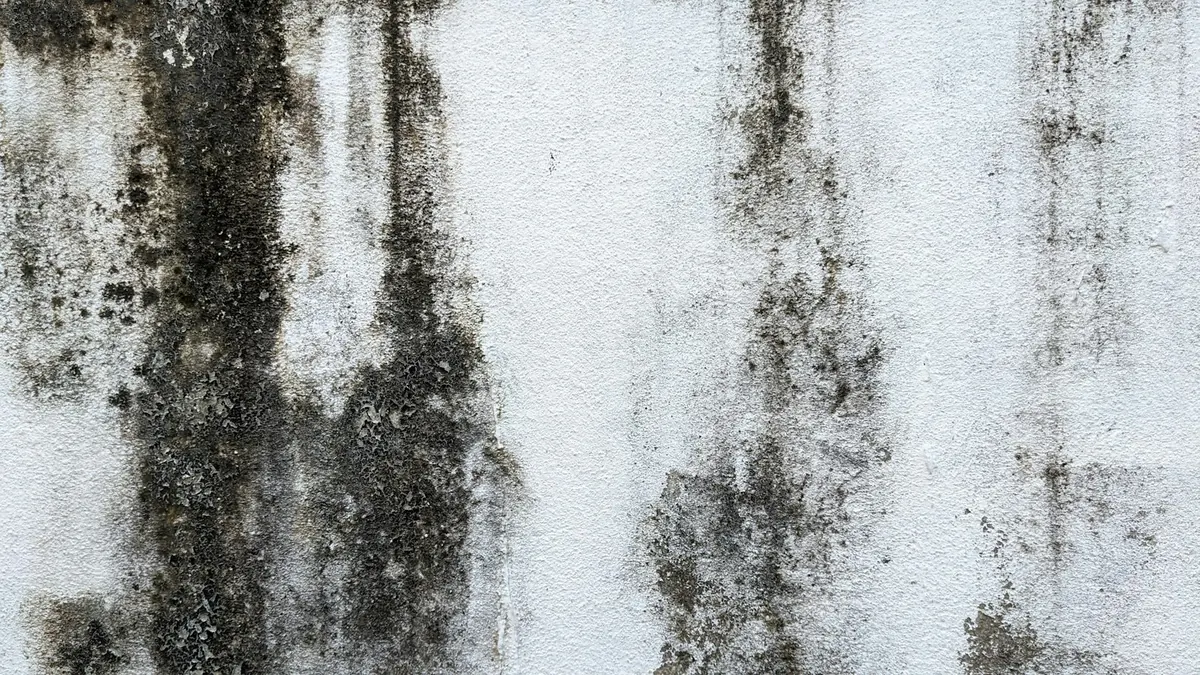
Mold Damage Restoration Services for Your Property in West End
Your restoration work covers damaged walls, ceilings, insulation, flooring and cabinets. Mold removal and repair leave clean, dry materials ready for new finishes.
A damage assessment maps visible mold growth and damp cavities. Unsalvageable porous materials are removed under containment. Sound framing and non-porous surfaces are cleaned and dried.
Your written scope of work separates remediation and repair. Drywall replacement, insulation replacement, subfloor repair and painting are included when specified. Moisture repair and structural repairs are defined separately.
- Room-by-room mold damage assessment
- Contained drywall and flooring removal
- Sound framing cleaned and dried
- Moisture readings before reconstruction
- Replacement finishes defined in your scope
West End Mold Damage Repair: Signs to Watch For
Your home may need work beyond surface cleaning if walls soften, finishes swell or mold growth returns.
Soft or Crumbling Moldy Drywall
A damp stain is surrounded by soft wall material or paper facing that breaks away.
Hidden Damage During Remodeling
Before new materials go in, assess growth uncovered by opening a wall or lifting your flooring.
Lifted Flooring Near Mold Growth
Floor edges lift or baseboards swell where moisture has reached the layers beneath your finish.
Swollen Cabinet Backs
A musty smell or growth you can see inside the cabinet appears alongside swollen or crumbling backing.
Mold Returns Through Paint
You see spots return after painting over a wall with unresolved dampness or affected material beneath.
The Mold Remediation and Restoration Process
Your assessment comes first, followed by cleanup and drying. Verification completes the removal process ahead of rebuilding.
Mold Inspection and Damage Assessment
Begin your call by describing damaged materials and rooms. Use a moisture meter to map dampness; a thermal imaging camera can show differences in temperature, but cannot detect mold.
Moisture Source and Repair Scope
The first step is tracing leaks and other sources of dampness. You can find removal limits, included repair and rebuild work and moisture corrections in your scope.
Containment for Damaged Rooms
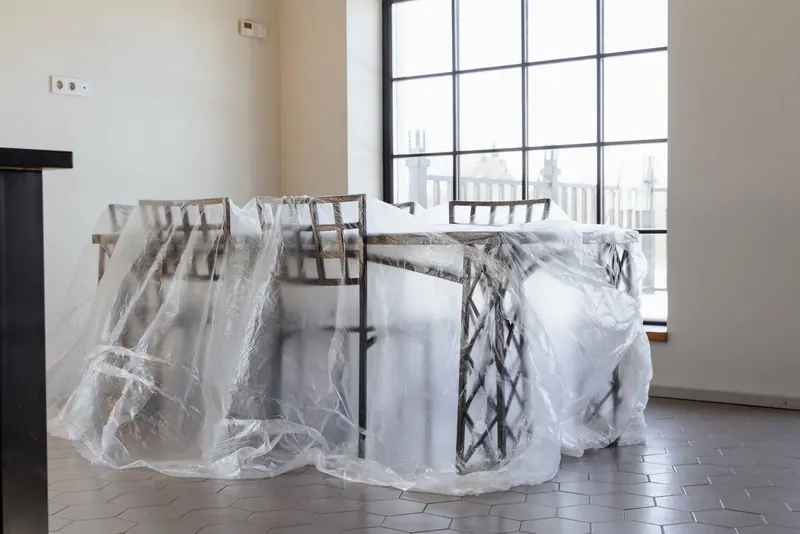
A containment barrier made from poly sheeting surrounds your affected area. A HEPA air scrubber works alongside protective equipment and negative air pressure to restrict dust movement during removal.
Mold Damage Removal
As needed, damaged insulation, drywall, cabinet backing and carpet come out. Bagging debris within containment precedes taking the debris out of your home.
Cleaning Remaining Surfaces
Surface cleaning and a HEPA vacuum clear growth off retained materials and sound framing. Antimicrobial treatment, when appropriate, supplements cleaning.
Controlled Drying
Retained materials are dried with drying equipment, including a dehumidifier and, when appropriate, air movers. Progress is tracked through moisture readings while work corrects the water source.
Final Cleaning and Verification
Before containment removal, final cleaning takes place along with post-remediation verification. Before cleaned cavities are concealed by repairs, an independent assessor conducts any specified clearance testing.
Containment Removal and Reconstruction
After final checks, containment is taken down. Agreed drywall and insulation work and flooring replacement follow once surfaces are clean and dry; baseboards and repainting are completed within your repair scope.
Why Choose Boise Mold Cleanup for Mold Damage Restoration
Contained Mold Damage Cleanup
Containment limits spreading particles alongside HEPA filtration while wall, insulation and flooring removal takes place.
Clear Removal and Repair Scope
Your scope distinguishes reconstruction from cleanup and specifies removal limits and replacement finishes ahead of any work.
Calls Answered 24/7
Across the metro, your restoration assessment can start at any hour, daytime or nighttime.
Removal Through Final Checks
Checks on drying and cleaning come before containment removal and the start of your agreed rebuild.
Moisture Before New Finishes
Your assessment traces moisture so replacement walls and floors do not cover an unresolved water problem.
Steps Before Your Mold Damage Cleanup in Ada County
Call before you demolish or rebuild, keeping damaged finishes where they are.
- Stop water if safe. Keep clear of standing water and damp electrical equipment.
- Leave mold undisturbed. Do not scrape, sand or open affected walls yourself.
- Keep people away. Prevent children and pets from entering the damaged area.
- Avoid affected HVAC. EPA says not to run heating or cooling equipment that may contain mold.
- Limit fresh moisture damage. Dry areas and items damaged by water within 24 to 48 hours, as EPA advises for mold growth prevention.
Mold Damage Restoration Cost for Your Property in West End, ID
These published ranges describe different restoration scopes, not quotes for your property. The ranges are not added together.
Restoration for severe cases
$10,000 to $20,000 per jobSource: Fixr, Mold Remediation Cost (checked 2026-10-23)Damage repair after remediation
$2,000 to $20,000 per jobSource: Bob Vila, Mold Remediation Cost (cites Angi and HomeAdvisor) (checked 2026-10-23)Repairs for mold-damaged cabinets, drywall, carpet and flooring, among other materials
$75 to $3,000 per jobSource: Fixr, Mold Remediation Cost (checked 2026-10-23)What Changes Your Repair Cost in West End
- Reaching cavities behind walls, ceilings or floors
- Finish work and painting
- Whether the structure was affected
- Underlying leak repair
- Materials removed during remediation
Your Mold Restoration Price and Scope
These published national ranges are planning figures. Your on-site assessment defines the work and price before cleanup starts, including any separate source repairs or rebuilding.
Call (844) 352-3560 about costMold Damage Restoration Service Area Across Greater Boise
Call (844) 352-3560 to arrange cleanup in West End or nearby communities. One number covers the metro.
Mold Damage Restoration in Locations Near West End
ZIP codes
Answers to Mold Damage Restoration Questions in West End
Which materials need taking out during mold damage removal?
Damaged carpet and drywall, swollen backing in cabinets and damaged insulation may have to come out. Sound framing and accessible hard surfaces can often be cleaned and dried. Your assessment sets removal limits around the actual damage. Staining alone cannot show whether structural wood needs replacement, while a separate assessment is required for framing with reduced strength.
During removal and rebuilding, can you keep living at home?
If rooms in use remain isolated from work and debris travel, you may be able to stay home. Shared ventilation, access to essential rooms and household needs affect that decision. Your assessment establishes access restrictions before work begins. Temporary relocation is necessary for some work, with use of rooms assessed again as repairs and cleanup proceed.
Could mold return when repairs are complete?
Mold can return if the water problem remains. Your restoration assessment locates trapped dampness, condensation and leaks before replacement finishes are installed. After removal or cleaning, affected materials undergo drying and checks. Ongoing humidity control, together with completed moisture fixes, helps prevent a repeat of the damp conditions.
What is the restoration timeline in West End?
The repairs you include, the damaged materials and needed drying shape your schedule. Cleaning framing you can reach takes fewer stages than opening walls and replacing floors. Use moisture readings to guide drying, not just visual appearance. Reconstruction follows final checks, while how much finish work is needed determines when you can use your rooms again.
Do you need mold testing before or after restoration work?
For visible mold, you often do not need air sampling, according to EPA. Affected materials and cleanup boundaries are established through inspection and moisture checks. Final checks come between completing removal and drying and closing the cavities. When clearance testing is specified, an independent assessor performs it. There is no federally set limit on indoor mold levels.
In Ada County, what is the cost of mold removal and restoration?
The affected area, condition of materials and extent of rebuilding determine your price. The cards above keep each published cost's source, scope and per-job unit intact. They are separate, not one combined amount. To reflect your property's included repairs in the total, your assessment specifies removal, replacement and drying work.
Does the work also fix the moisture problem?
During assessment, tracing the moisture source establishes the correction needed along with the cleanup work. Only roof, plumbing or ventilation repairs listed in your scope are included. Before work begins, separate repairs are identified. New finishes go in following cleaning and drying once the underlying water problem is fixed.
Insurance Coverage for Mold Restoration in Idaho
Your homeowners policy terms, exclusions, deductible, mold limits and the cause of moisture determine coverage. Within a claim, decisions can differ between reconstruction, cleanup and repairs to the moisture source.
Mold Restoration Safety Across Greater Boise
Opening your damaged walls or flooring within containment helps limit particles spreading during removal.
Mold Spores and Dust
Particle control during cleaning and demolition is supported by HEPA filtration.
Sensitive Occupants
According to CDC, having a weak immune system, lung disease or asthma puts people at higher risk.
Weakened Materials
You need a separate structural assessment for deteriorating framing or surfaces that sag.
Mold Color
CDC says color does not tell you how risky a mold is.
Cleanup scope: EPA notes that you can often clean an area yourself if it is under about 10 square feet. For mold from sewage or contaminated water, as well as larger areas and HVAC systems, seek professional help.
Understanding Mold-Damaged Materials in Ada County
Whether your materials can be cleaned, along with their condition, guides replacement decisions.
Non-porous surfaces
- Sound metal and glass, along with intact tile, undergo cleaning and drying.
Porous materials
- You may retain sound wood framing through cleaning, but damaged drywall, insulation and carpet may need removing.
Replacement finishes
- After drying, cleanup and verification are complete, included replacements of wall finishes, flooring and cabinets proceed.
How Long Mold Repair Takes in Ada County
The time for removal, subsequent drying, verification and the scale of rebuilding determines your schedule.
- Access and removal: Hidden growth may widen the scope of removal.
- Drying and verification: Moisture readings, together with final checks, establish readiness to install replacement materials.
- Reconstruction: Required inspections and the availability of selected finishes can affect completion.
Addressing Mold Odor and Moisture Control in West End
Before repairs close your cavities, material condition and moisture are checked to investigate mustiness. Fragrance cannot eliminate what causes the smell.
Your indoor relative humidity should stay below 60 percent under EPA guidance. The ideal range is 30 to 50 percent. Managing humidity aids moisture control following remediation, without taking the place of leak repair.
Idaho Requirements for Mold Cleanup and Repair
Work Requirements
Idaho does not have a state agency that regulates mold inspection or removal, and the Department of Health and Welfare says no Idaho state law requires mold inspections or sets cleanup standards. It is worth asking any contractor about their training and checking local contractor rules.
Repair Permits
The included electrical, plumbing or structural work determines which permits are required.
Rental Properties
The Department of Health and Welfare says landlords are usually responsible for fixing leaks and structural problems, and it suggests contacting a local housing agency for help with rights questions. Idaho Legal Aid Services and the Attorney General's landlord and tenant manual are also listed as Idaho resources.
State Mold Information
The Idaho Department of Health and Welfare (DHW) Environmental Health Program answers mold questions at 800-445-8647, but DHW does not test or inspect homes for mold.
State guidance: Idaho Department of Health and Welfare, Mold; Idaho Attorney General, Landlord and Tenant Manual (July 2026)
Related Services and Next Steps
Start Your Mold Damage Restoration in West End
Call 24/7 to arrange your assessment. Your cleanup starts with the affected surfaces, moisture source and access to your home.